Students
•
Making Personal Connections at the European level
My Experience at the European Nuclear Education Network (ENEN) BSc and MSc Nuclear, Medical Physics and Radiation Protection Competition & Summer School 2025
By Ms Clarissa Attard
As a student eager to grow professionally during my studies, I have been fortunate to participate in several exciting opportunities open to Medical Physics and Radiation Protection students. Choosing one experience to write about above all others was not easy, but the ENEN BSc. and MSc. Nuclear Competition & Summer School 2025 at the Budapest University of Technology and Economics (BME) was my top choice, not only for the academic and professional rigour, but particularly for the positive spirit it fostered: a gathering of minds, skills and cultures united by a strong desire for shared scientific and professional advancement.
We started the week with thematic talks on relevant education networks, career pathways, soft skills for resilience and structured training opportunities across Europe. These sessions reminded us that our professions move forward when we all share knowledge and when we support each other.
The competition kicked off with separate tracks for BSc. and MSc. participants. Presentations by the participants spanned medical physics, radiation protection, nuclear physics and engineering, and nuclear‐waste management, showcasing the dedication of Europe’s young scientists.
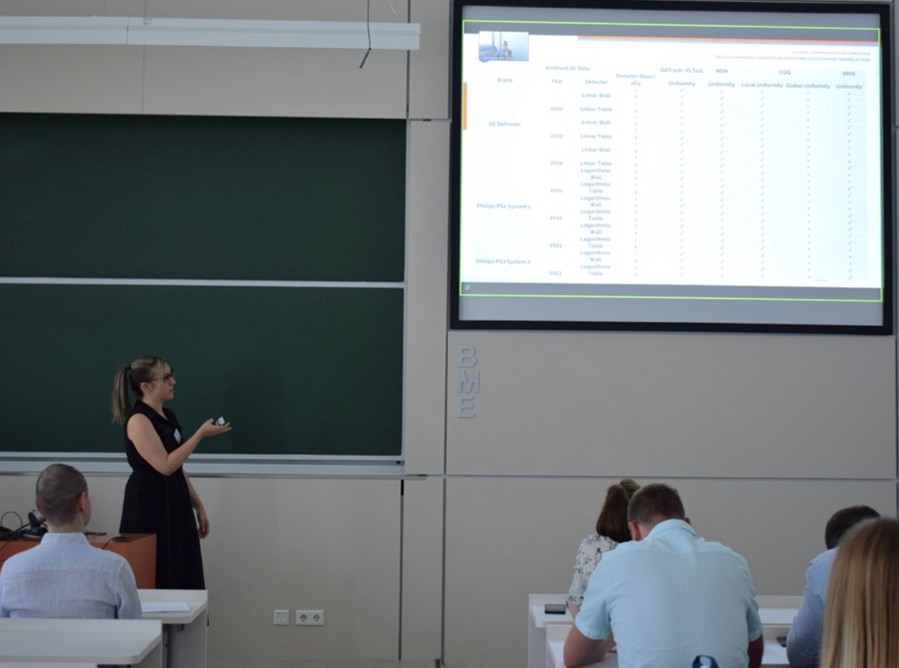
Figure 1: Presenting my thesis “Development of a Free Open-Source Tool for Semi-Automated Quality Control of Diagnostic Planar X-ray Images: Focus on Ease of Integration into a QATrack+ Workflow” as part of the BSc. Category.
I presented my own thesis, “Development of a Free Open-Source Tool for Semi-Automated Quality Control of Diagnostic Planar X-ray Images: Focus on Ease of Integration into a QATrack+ Workflow.” My work tackles an increasingly relevant challenge in medical imaging quality control, namely, the fragmented and error-prone nature of spreadsheet-based methods used in many Medical Physics departments today. I proposed a custom Python-based tool designed for integration into a widely used existing infrastructure QATrack+ . Seeing my work so well received by experts was immensely rewarding: their feedback confirmed that this work was solving genuine, real-world challenges and highlighted ways to adapt the tool for diverse, multinational regulatory requirements.
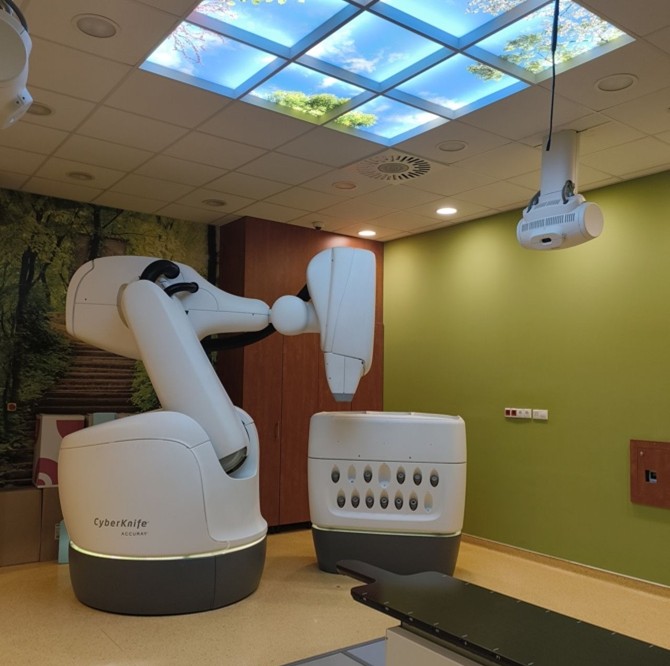
Figure 2: CyberKnife at the National Institute of Oncology, showcasing robotic non‐coplanar beam delivery for stereotactic radiotherapy
At the Budapest National Institute of Oncology, we rotated through a series of practical workshops that began with verifying ionization-chamber stability. This was followed with participation in radiochromic-film dosimetry, patient-specific QA for IMRT/VMAT, stereotactic end-to-end tests, brachytherapy source checks and small-field measurements. We then set up a water phantom to commission beam profiles, explored chromosome-aberration assays, identified terminal deletions, dicentrics, rings, reciprocal translocations and quadriradial chromosomes as markers of DNA double-strand breaks. We practised contouring CT/MRI datasets while optimising multi-field treatment plans for LINAC delivery. The day concluded with a live demonstration of the CyberKnife radiotherapy system’s patient immobilisation, image guidance and robotic non-coplanar beam delivery.
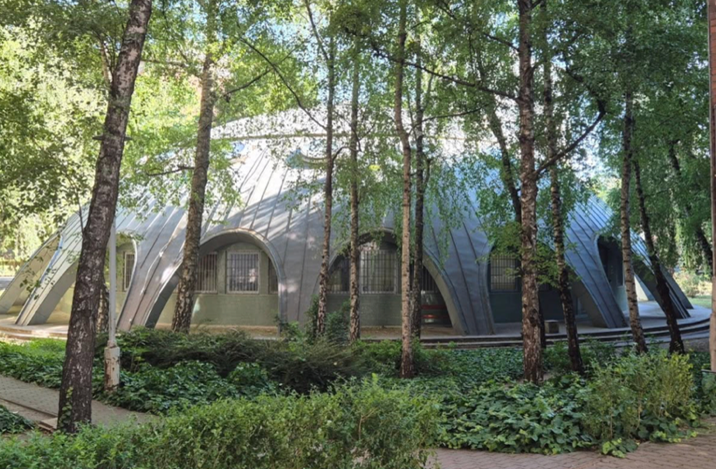
Figure 3: BME Training Reactor tour, where we stood metres from the operating core while learning about safety systems, control operations, and reactor physics in practice.
We toured the Institute of Nuclear Techniques at BME, beginning with the BME Training Reactor—an extraordinary, once-in-a-lifetime chance to stand metres from an operating reactor core, explore the control room and review strict safety protocols. We then observed real-time heat-transfer experiments in the Transparent Thermal-hydraulics Test Loop (TRATEL) before concluding with a session on a computer-simulated nuclear-power-plant, where we practised reactor transients and emergency procedures. This gave me the opportunity to experience other areas of the nuclear sciences and widen my concepts of Radiation Protection.
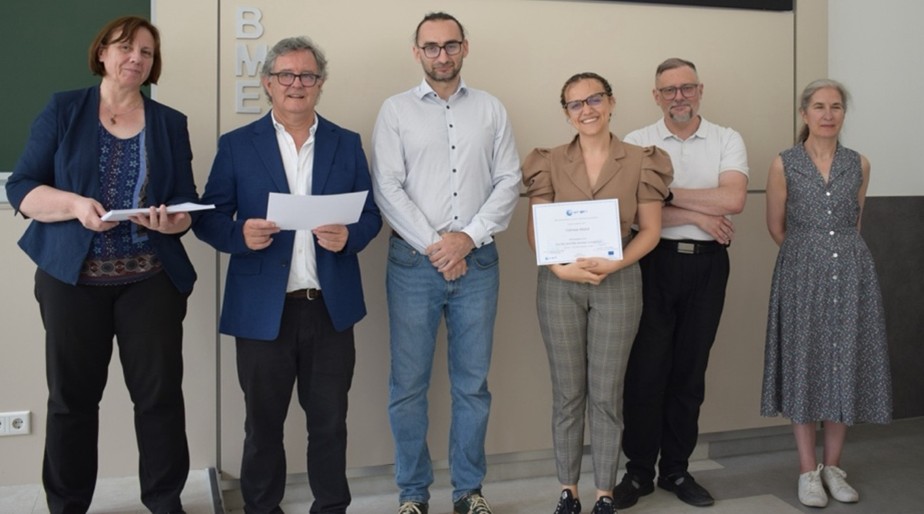
Figure 4: Certificate presentation (from left to right) Dr. Csilla Pesznyák, Prof. Francisco Javier Elorza, Dr. Štefan Čerba, Ms. Clarissa Attard, Dr. Marek Kirejczyk, and Dr. Lois Tovey.
Finally, the week culminated in the awards ceremony, where the event’s sense of unity and collaboration shone the brightest. We applauded every participant and celebrated each winner. There was no hint of disappointment, instead, genuine joy for every colleague, who by then had become like a life-long friend. That moment captured the essence of this experience: make connection, not competition. In just a few days, a collaborative community formed, full of shared curiosity and mutual respect, laying a strong foundation for future Europe-wide collaborations and partnerships.
This summer school has cemented my desire to build a career at the crossroads of clinical Medical Physics and Radiation Protection practice and research within a European context. I return to Malta with new technical skills, deeper insights into emerging trends, and, most importantly, lasting connections with the next generation of medical physicists, radiation protection experts and other nuclear professionals. I am deeply grateful to everyone who has supported me along this academic and professional journey, especially my supervisor, Mr Eric Pace of the Medical Physics Unit at the Faculty of Health Sciences, whose guidance throughout my thesis made my participation in ENEN possible.
To fellow students and early-career professionals: seek these moments, engage wholeheartedly, and remember it is the people and shared enthusiasm that make these events truly life-changing.
Latest articles


