
Professor Ornella Corazza
Keynote Title: How “Dark” is the Darknet? The expansion of crypto-markets, latest trends and health risks
Abstracts:
Darkweb marketplaces are anonymous platforms hosted on the dark web, used to trade a variety of illicit good or services. Also known as crypto markets, they particularly facilitate the supply of illicit drugs, with an estimated two thirds of their offer thought to be drugs or drug-related, including new chemicals and pharmaceuticals. During her talk, Professor Corazza will present the result of a systematic analysis of the darknet sale of several Novel Psychoactive Substances as well highlight novel emergent trends derived from the Covid-19 pandemic. In an age of global insecurity, she will highlight the need for the development of innovative scientific methods and tools able to monitor and to predict such new trends, while informing policymaking and protecting the health and the security of citizens.
Biography:
Prof. Ornella Corazza, Ph.D holds a Chair in Addiction Science at the University of Hertfordshire in the United Kingdom, where she leads multidisciplinary research in the field of drug and other behavioural addictions. Results of her work have been presented in over hundred peer-reviewed publications, seven books, including the recent Novel Psychoactive Substances: Policy, Economics and Drug Regulations (Springer 2017) The Handbook of Novel Psychoactive Substances (Routledge 2018), Body and Mind: exercise addition, body dysmorphic disorders and the use of performance enhancing drugs (Cambridge University Press 2021), Emerging Drugs in Sport (Springer 2021), and numerous invited lectures and media appearances. Her academic achievements have been recognized with various prizes and award nominations, including the prestigious European Health Award 2013. Prof. Corazza is the President of the International Society for the Study of Emerging Drugs (ISSED) and serves as an expert advisor for the United Nation Office on Drugs and Crime (UNODC), the World Anti-Doping Agency (WADA), among other national and international agencies. The basic theme of her research is to find out new strategies to improve health and wellbeing, while promoting innovative approaches and international cooperation for a major global impact.
Conjoint Professor Nadine Ezard, MBBS, BA, MPH, PhD, FAChAM
Keynote Title: Clinical research in the treatment of methamphetamine use disorder – where are we now and where are we going?
Abstract:
Methamphetamine use disorder spans the globe. Public health impact is increasing, with an estimated doubling of the number of people seeking treatment over the past decade. Psychosocial interventions, primarily cognitive behavioural therapy and contingency management, show modest effect with limited access and variable uptake (particularly among women). Intervention research underscores historic under-investment; an emphasis on sustained abstinence obscures clinically meaningful treatment outcomes. New treatment directions include pharmacological (mirtazapine, combination buproprion-naltrexone, lisdexamfetamine, cannabidiol, oxytocin), non-pharmacological (transcranial magnetic stimulation, technology assisted interventions) and mixed (psychedelic and ketamine assisted psychotherapy). While the COVID-19 pandemic has disrupted intervention research on the one hand and treatment seeking and provision on the other, it has provided opportunities to learn lessons on person-centred treatment approaches. Key principles guiding future intervention research include: genuinely engaging people with lived experience and social networks (friends, families, concerned others, communities); growing a clinician-researcher workforce; building consensus towards harmonised clinically relevant outcomes; and connecting efforts around the globe to improve scale and reach.
Biography:
Nadine is an Addiction Medicine clinician-researcher with 30 years’ experience in addiction medicine and public health practice in Australian and international contexts. A founding fellow of the Australian Chapter of Addiction Medicine, for the past decade she has held the position as Clinical Director of the Alcohol and Drug service at St Vincent’s Hospital in Sydney, working as a practising Addiction Medicine specialist and leading a range of clinical services and innovations. Nadine is a conjoint Professor with the National Drug and Alcohol Research Centre, University of New South Wales Faculty of Medicine, as the inaugural Director of the National Centre for Clinical Research on Emerging Drugs. She has previously worked for the World Health Organization, the United Nations High Commissioner for Refugees, and the United Nations Office of Drugs and Crime. She is an internationally recognised researcher in substance use and its translation into consumer-focused harm-reduction public health interventions, models of care and policy for vulnerable populations.
Her current research focusses on working with people who use stimulants to develop new and effective interventions, and she has a particular interest in substance use disorders among refugees and other displaced populations.
Dame Clare Gerada
Keynote title: Doctors and their addictions
Abstract:
For 17 years I have been caring for doctors and dentists with mental health problems in a confidential service funded by the National Health Service. To date, around 18,000 doctors have presented. At the start of the service around 20 per cent of those attending had problems related to addiction (mainly alcohol, but also drug, gambling, porn, and other behavioural addictions). In more recent years, this figure has dropped to around 10% of all presentations. In my talk I will draw on my experience of caring for addicted health professionals, explaining what their barriers to receiving care are and the problems they face over and above their non health professional counterparts (stigma, fear of losing their livelihood). I will also discuss why doctors, once in treatment have such good recovery rates, with around 80% of those with alcohol addiction remaining abstinent over 5 years and 90% of those with drug addiction.
Biography:
Having first trained in psychiatry at the Maudsely hospital, Dr Clare Gerada followed her father’s footsteps and became a general practitioner, working in her practice in South London for more than thirty years. Over this time, alongside her clinical practice, she has held several national leadership positions including in 2010, Chair of the Royal College of General Practitioners, only the second women in its 55-year history to hold this position. She has led the way in reforming how drug users are managed in general practice and was awarded an MBE for her services to medicine and substance misuse in the 2000 Birthday honours.
Since she has also led the development of a service for doctors and dentists with mental health problems, establishing and leading NHS Practitioner Health since 2008. This has been, not only a world first, but massively impactful, particularly on young doctors and consequently on the patients they look after and the teams in which they work. The service was awarded Outstanding by CQC rating in March 2019.
Currently Clare not only still leads NHS Practitioner Health but has, in 2020 established a service for problem gamblers; Chairs the newly formed registered charity, Doctors in Distress, is co-chair of the NHS Assembly.
In 2020 she was made a Dame in the Queen’s birthday honours, making her, we believe, the first Maltese woman to receive this honour. In November 2021 she became the President of the RCGP (only the second women to hold both Chair and President of the College in its 70 year history). She is a highly respected NHS professional, whose views are listened to by NHS professionals and patients alike.
Dame Clare Gerada will also be facilitating a pre- conference workshop on the 3rd October.
Professor Anton Grech
Keynote title: ‘ Has Covid-19 left an impact on our mental health?’
Abstract:
On January 30, 2020 the World Health Organisation declared that Covid-19 Outbreak is a public health emergency of international concern. Since then, worldwide we experienced the negative consequences of Covid-19, that go beyond the direct physical consequences of the infection itself. Mental health was one of the main factors influenced negatively by the pandemic. This has been shown by research done internationally and in Malta. Patients with Covid-19 infection had an increase in a significant number of psychiatric conditions. During the pandemic anxiety disorders and depressive disorders increased worldwide by about 15 %. Lockdowns and quarantine had a psychological impact as well. Social Media compensated for social isolation and had a role in mood management. Patients with pre-existing mental illness were affected by the Covid-19 Pandemic in various ways. Covid-19 virus will remain with us, and we need to take stock where we are and devise a way forward to counteract the negative consequences on mental health that have already been done and to mitigate / remove future negative consequences.
Biography:
Prof Anton Grech graduated as Doctor of Medicine from the University of Malta in 1992. He graduated PhD from the University of Maastricht. He is a Fellow of the Royal College of Psychiatrists, UK and he obtained an M.Sc. in Psychiatry from King’s College, University of London. He had his psychiatric training and worked at the renowned Maudsley Hospital and the Institute of Psychiatry in London. He is a Consultant Psychiatrist and Clinical Chairman of the Department of Psychiatry in the Ministry of Health, Malta. He is also Chairman of 'Fondazzjoni Kenn Għal Saħħtek', a national foundation for prevention and treatment of Eating Disorders. He is an Associate Professor in the Department of Psychiatry, University of Malta. His main areas of research are the aetiology of schizophrenia, eating disorders, mental wellbeing of doctors and the impact of Covid-19 on mental health. He is a member of the Technical Advisory Group of WHO-Europe on the mental health impacts of Covid-19. In Malta he has been a member various national boards and commissions. He is very present in the local radio and tv stations, both as guest and conducting programmes, on mental wellbeing and related health issues.
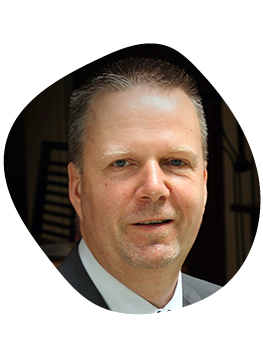
Dr Asmus Hammerich
Keynote title: "Substance use and addictions in the WHO Eastern Mediterranean Region – how to promote and protect health in the post-COVID-19 era"
Abstract
Drug use remains a major global public health and social challenge. In the WHO EMR, this challenge is estimated to be even higher than the global average. A young population, a high production of opioids, a location on important transit routes of drug trafficking, and conflict affecting over half of the 22 EMR countries, have all contributed to this challenge. The COVID-19 pandemic has also adversely affected the mental health of people especially young people and women and thus worsened drug use and addictions. Treatment resources are still limited in the Region with a relatively low coverage of people who need treatment and higher impact on most vulnerable groups e.g. women, children and people who inject drugs. Moreover, drug use information systems are not yet well-developed in many EMR countries, making access to reliable data regarding drug use challenging.
Recently, treatment systems for drug use disorders have not proved resilient with a complete disruption of 40% of opioid agonist maintenance treatment and harm reduction services during the peak of COVID-19 pandemic (2020-2021).
Despite these shortcomings, there have been noticed improvements at governance over the last few years with updated mental health and substance use laws and policies in several countries of the Region. Some countries have also started to embrace advanced evidence-based treatment and prevention interventions.
To respond to the recent global call to address the world drug problem, WHO EMRO has supported its Member States to strengthen their response to drug abuse through a whole-of-government and whole-of-society response and integration of prevention and treatment of substance use into a broader health policy response. WHO also values and expands cooperation with sister agencies such as UNODC and UNAIDS as reflected in the EM “Regional Framework for action to strengthen the public health response to substance use”. Surveillance and monitoring progress are critical for implementation.
WHO touches upon the countries’ commitment to Sustainable Development Goals (SDG) target 3.5 on substance abuse and 3.8 on universal health coverage, to expand services for people with drug use disorders similar to any other health condition. The Region is also in a unique position to promote the response to drug use problem in emergency and conflict situations. “Building back better” for more resilient health systems, is a top strategy in the Region with the prospect of an evolving post-COVID world.
Biography:
Dr Hammerich is the Director for Noncommunicable Diseases (NCDs) and Mental Health in the WHO Regional Office for the Eastern Mediterranean (EMRO) in Cairo, Egypt. In this function, he is part of the Office’s senior management team.He is specialized in the prevention and control of NCDs, as well as the promotion of mental health and management of substance use in the 22 countries of the WHO EMR.
Dr Hammerich has a total of 30 years of international work experience in public health and primary care acquired through clinical practice and bilateral (German GIZ and British DFID) and multilateral (WHO) public health cooperation on 3 continents (5 WHO Regions). He has over 20 years of management experience in strategic country level positions in Europe, Africa, South-, South-East & Central Asia and the Middle East and extensive skills in leadership, policy advice and technical assistance for NCDs and mental health. Besides these experiences he was also a Family Physician in Britain and Germany after being affiliated as a clinician to different teaching hospitals in the United Kingdom (UK).
Dr Hammerich holds an MBBS, a research MD and a master’s degree in public health (MScPHDC). He is a Member of the Royal College of General Practitioners in the UK (MRCGP) and an accredited Family Medicine specialist in Germany (Facharzt fuer Allgemeinmedizin). He is also member of different other professional bodies and has received various awards besides having had numerous peer-reviewed international publications to his name.
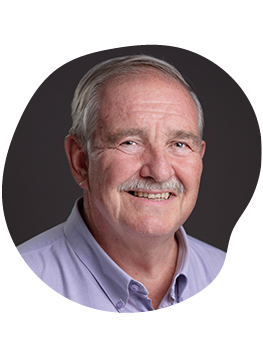
Professor David Nutt
Keynote title: “Are psychedelic drugs the future of addiction treatments?"
Abstract:
The last few years has seen the rise of interest in psychedelic drugs such as psilocybin and ketamine in the treatment of addictions (as well as other mental illnesses particularly depression) and the beginning of research with MDMA. This research, particularly with the serotonergic psychedelics such as psilocybin and LSD revisits benefits shown for mental health and addictions before they were banned in the 1960s. We are now in a new era of psychedelic-psychotherapy that is underpinned by brain imaging research that helps us understand how these drugs work to facilitate the person engaging with the therapeutic process and why the impact of just one or two psychedelic interventions can lead to long-term benefits. my talk will overview these developments and explore how they might radically change the treatment of addictions.
Biography:
David Nutt is currently the Edmund J Safra Professor of Neuropsychopharmacology and Head Director of the Centre for Psychedelic Research n the Division of Brain Science, Imperial College London. He is also visiting professor at the Open University in the UK and Maastricht University in the Netherlands.
After 11+ entry to Bristol Grammar he won an Open Scholarship to Downing College Cambridge, then completed his clinical training at Guy's Hospital London. After a period in neurology to MRCP he moved to Oxford to a research position in psychiatry at the MRC Clinical Pharmacology Unit where he obtained his DM. On completing his psychiatric training in Oxford, he continued there as a lecturer and then later as a Wellcome Senior Fellow in psychiatry. He then spent two years as Chief of the Section of Clinical Science in the National Institute of Alcohol Abuse and Alcoholism in NIH, Bethesda, USA. He returned to England in 1988 to set up the Psychopharmacology Unit in Bristol University, an interdisciplinary research grouping spanning the departments of Psychiatry and Pharmacology. After a period as head of Psychiatry and then Dean of Clinical Medicine in 2009 he moved to Imperial College London where he leads a similar group with a particular focus on brain imaging, especially Positron Emission Tomography and fMRI in addictions and depressive disorders.
David has held a number of significant scientific leadership positions – including Presidencies of the European Brain Council, the British Neuroscience Association, the British Association of Psychopharmacology and the European College of Neuropsychopharmacology as well as Chair of the UK Advisory Council on the Misuse of Drugs. He is a Fellow of the Royal Colleges of Physicians, of Psychiatrists the Academy of Medical Sciences and British Pharmacological Society. He is also the UK Director of the European Certificate and Masters in Affective Disorders courses and a member of the International Centre for Science in Drug Policy. He edited the Journal of Psychopharmacology for over thirty years and acts as the psychiatry drugs advisor to the British National Formulary. He has published over 500 original research papers, a similar number of reviews and books chapters, eight government reports on drugs and 35 books, including three for the general public, ‘Drugs Without the Hot Air’ (which won the Transmission book prize in 2014 for Communication of Ideas), “Brain and Mind Made Simple”, and his autobiography ‘Nutt Uncut’. His latest book is one for the general public on cannabis https://www.yellowkitebooks.co.uk/titles/professor-david-nutt/cannabis-seeing-through-the-smoke/9781529360509/
David’s research has been published in many of the leading journals including Nature, Cell, PNAS, Lancet, JAMA psychiatry and the New England Journal of Medicine. These papers define his many landmark contributions to psychopharmacology including GABA and noradrenaline receptor function in anxiety disorders, serotonin function in depression, endorphin and dopamine function in addiction. Most recently he has focused on the neuroscience and clinical utility of psychedelic drugs with resulting papers in PNAS, Lancet Psychiatry and the first ever comparison of a psychedelic with an SSRI was recently published in the New England Journal of Medicine https://www.nejm.org/doi/full/10.1056/NEJMoa2032994
He is currently Chair of Drug Science (previously the Independent Scientific Committee on Drugs (ISCD) a charity that tells the truth about drugs and with which he runs a popular podcast on matters of drug science and policy https://www.drugscience.org.uk/latest/blogs/drugsciencepodcast/. He broadcasts widely to the general public both on radio and television; highlights include being a subject for many BBC programmes including The Life Scientific, Hard Talk, On the Ropes, A Good Read and Private Passions.
His research has been features in many tv programmes the BBC Horizon and the Channel 4 documentaries Ecstasy and Cannabis -live. His research has been the subject of the films Magicmedicine https://www.imdb.com/title/tt8661404/ The psychedelic drug trial https://www.bbc.co.uk/iplayer/episode/m000w7bq/the-psychedelic-drug-trial and the play ‘All you need is LSD’. https://www.youtube.com/watch?v=A1wNRzUAIPY .
He is much in demand for public affairs programs on therapeutic as well as illicit drugs, their harms and their classification and the relationship between scientists and government. He also lecturers widely to the public as well as to the scientific and medical communities, e.g. at the Cheltenham Science and How the Light Gets In Festivals, Café Scientifiques and Skeptics in the Pub. In 2010 The Times Eureka science magazine voted him one of the 100 most important figures in British Science, and the only psychiatrist in the list. In 2013 he was awarded the Nature/Sense about Science John Maddox prize for Standing up for Science. He was awarded a Doctor of Laws from the University of Bath in 2017 for his work bringing evidence to bear on drug policies.
Publications
https://www.imperial.ac.uk/people/d.nutt/publications.html
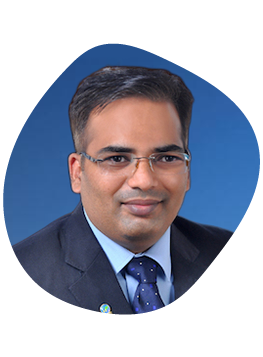
Dr Roshan Bhad
Keynote Title: “What is NExT? Role of early career professionals in reshaping addiction medicine in the post-pandemic world”
Abstract:
Addiction Medicine is relatively a developing field of Medicine with many young, enthusiastic professionals opting for a career in this field. Early career addiction medicine professionals (ECAMPS) have traditionally faced a number of challenges including lack of competencybased training, lack of expert trainers, poor availability of institutes with infrastructure for adequate training, struggles with finding experienced mentors, lack of specialized job opportunities and choosing a focussed research area. The Covid-19 pandemic (once in a century pandemic) posed additional challenges for ECAMPS. The initial setback due to the pandemic was disruption of services affecting both training and clinical services. However, over the past two years there have been a number of innovations which have transformed the challenges into opportunities. Some of the major innovations were lead by young professionals across different countries. These included telemedicine, online methods of training delivery and assessment, online webinars/meetings for global communities, innovative multilingual communication strategies, smartphone applications for addiction treatment among others. Early career addiction medicine professionals are uniquely placed as they are transitioning from training to clinical practice /research and with their comfort in use of technology.They are potential pathfinders for navigating the transition in the post pandemic world. The time is right for a paradigm shift in how the early career members are mentored and in turn how they can share their difficulties with experienced mentors for the advancement of addiction medicine training and services.This presentation will discuss the need, scope and objectives of global networks like ISAM NExT, role of ECAMPS and ongoing collaborative work in training, research and clinical services harnessing technology and connecting experienced professionals with young professionals. The team ISAM NExT will present experiences and innovations in the field of communication, telemedicine, training & treatment from 4 different countries covering different regions and their potential to improve addiction medicine training, research and treatment in the post pandemic world.
Biography:
Dr Roshan Bhad (MD, DNB (Psychiatry), CISAM, FISAM) is currently Associate Professor of Psychiatry at National Drug Dependence Treatment Centre (NDDTC), All India Institute of Medical Sciences (AIIMS), New Delhi. He is also board of director (Ex-Officio) at International Society of Addiction Medicine (ISAM). He completed his post-graduation in psychiatry (MD), in year 2012 from AIIMS, Delhi, India. and developed an interest in Addiction Medicine 10 years back during his clinical work in community addiction treatment programme and was especially inspired by patients who had dramatic improvement after taking opioid agonist treatment. He received NIDA-ISAM fellowship award in 2015 and qualified International Certification in Addiction Medicine in the same year. He was recognized as a fellow of ISAM in year 2019. His areas of clinical/research interests are addictive behaviours among adolescents and youth, community addiction psychiatry, consultation liaison addiction psychiatry, drug policy & public health. Belonging to a developing country, he aspires to improve the outreach of addiction medicine training and research globally and particularly in low- and middle-income countries.
He is presently the Chairperson of ISAM NExT (New Professionals Exploration Training & Education), a committee of 30 energetic and enthusiastic young addiction medicine professionals from 20 countries.
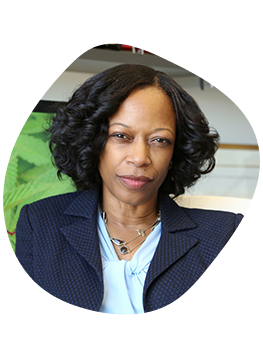
Dr Yasmin Hurd
Keynote title: “Neurobiological Signatures of Addiction Drive Novel Treatment Interventions“
Abstract:
The growing legalization of cannabis across the globe has raised significant questions concerning its potential negative impact on mental health, but also regarding its potential therapeutic benefits. One of the most critical issues about cannabis and mental health relates to its developmental exposure given the sensitivity of the developing brain—fetal, childhood and adolescence—to adverse environmental conditions that can place individuals at risk for addiction and other psychiatric disorders later in life. Moreover, it is now acknowledged that most psychiatric disorders have their genesis during early development. This talk will provide insights from translational studies—basic molecular and behavioral animal studies as well as human longitudinal investigations—regarding the neurobiological consequences of developmental cannabis exposure and the long-term impact on brain and behavior relevant to addiction risk. It is clear that numerous factors including THC potency and sex can impact negative outcome. It is also evident that the complexity of the cannabis plant may conversely hold opportunities to alleviate psychiatric disorders. For instance, while THC has been linked to many of the negative outcomes associated with the drug, recent attention has also focused on other cannabinoids such as cannabidiol (CBD) with potential pharmacological beneficial properties. The presentation will discuss translational studies regarding the medicinal potential of CBD for treating substance use disorders and related psychiatric illnesses. It is hoped that insights gained from a growing number of studies can be leveraged to provide science-based evidence to guide future clinical and treatment approaches to better address the question of cannabis and mental health.
Biography:
Dr. Yasmin Hurd is the Director of the Addiction Institute within the Mount Sinai Behavioral Health System as well as the Ward Coleman Chair of Translational Neuroscience and Professor of Psychiatry and Neuroscience at the Icahn School of Medicine at Mount Sinai in New York. Dr. Hurd is an internationally renowned neuroscientist whose translational research examines the neurobiology of drug abuse and related psychiatric disorders. Her research exploring the neurobiological effects of cannabis and heroin has significantly shaped the field. Using multidisciplinary research approaches, her research has provided unique insights into the impact of developmental cannabis exposure and epigenetic mechanisms underlying the drug’s protracted effects into adulthood and even across generations. Dr. Hurd’s basic science research is complemented by clinical laboratory investigations evaluating the therapeutic potential of novel science-based strategies for the treatment of opioid addiction and related psychiatric disorders. Based on these high impact accomplishments and her advocacy of drug addiction education and health, Dr. Hurd was inducted into the National Academy of Medicine, complementing other honors she has received in the field.
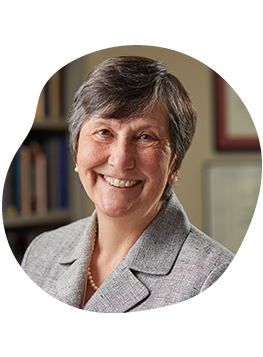
Dr Amy Justice
Keynote title: “Was Human Immunodeficiency Virus a Prelude for COVID-19”
Abstract:
Many of the worlds’ epidemiologic experts responding to COVID-19 first worked on HIV infection. There are obvious similarities: both are viral infections, both are spread through human contact, both can be life threatening, both differentially affect disadvantaged populations, and both have spread throughout the world. There are also historic parallels—the initial panic and misinformation, the misguided politics, the search for therapeutic agents and vaccines, and the social isolation and stigma associated with a diagnosis. There are also differences: HIV is transmitted by sex and shared needles--SARS-COV-2 is transmitted by proximity; HIV can be suppressed -- SARS-COV-2 is eradicated but subject to reinfection; and despite eradication, many individuals experience prolonged complications of SARS-COV-2 infection. Within this context, I will discuss lessons learned from HIV for the COVID-19 pandemic and beyond.
Biography:
Dr. Justice is the CNH Long Professor of Medicine and Public Health at Yale University, a Clinical Epidemiologist, and an internationally recognized expert in aging with HIV infection. In 1996, she started the Veterans Aging Cohort Study (VACS), an ongoing, longitudinal study of >180,000 United States (US) veterans with and without HIV infection continuously funded by US National Institutes of Health (NIH). This study has been instrumental in informing our understanding of aging with and without HIV infection, including the respective roles of alcohol, other substance use, comorbid disease and polypharmacy. As a result of this work, she was asked by The Lancet to lead a collaborative series of papers in The Lancet HIV and The Lancet Healthy Longevity on Aging and HIV which expanded into an international summit on this topic. She has worked within the VA Healthcare System for three decades, serving as a primary care provider for two decades and Section Chief of General Medicine at the VA Connecticut Healthcare System for 13 years. Recently she has served as the national Scientific Liaison for VA-Department of Energy Research collaboration which produced a series of seminal papers on COVID-19. Dr. Justice has published over 500 peer reviewed manuscripts, and has presented work at the United Nations, The International AIDS Society, The Royal Medical College in London, the White House, and Congress. She serves on the International Advisory Boards of Lancet HIV and Journal of the International AIDS Society.
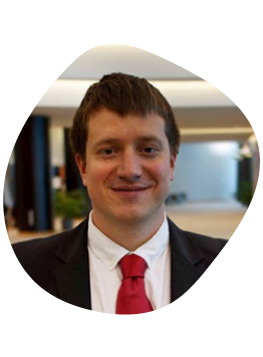
Mr Peter Sarosi
Keynote Title: "From Emergency Responses to Mainstreaming: The Need for a New Normal in Harm Reduction in Europe"
Abstract:
Harm reduction programs are going through a challenging period in Europe. Financial resources have been drained in most countries, including public funds and international donors. The shrinking space for civil society has a negative impact on services supporting marginalised communities. This situation was exacerbeted by the COVID-2019 pandemic, the current war in Ukraine and the resulting refugee crisis.
In situations where the beuaurocratic mechanisms of the state responded slowly to the emerging crisis, harm reduction service providers demonstrated a remarkable resilience. Civil society organisations were in the frontlines of innovative local and national responses to the new trends and needs, as we documented on our website, Drug reporter. These responses challenged and expanded the often narrow focus of existing opiate agonist therapies, needle and syringe programs, dop-ins, drug consumption rooms and community shelters. Instead of going back to the pre-COVID and pre-crisis "normal", policy makers and service providers should learn the lessons from these innovative responses. Precious resources should be spent on what works in preventing and reducing drug-related harms. The good practices should be assessed and mainstreamed, with the meaningful involvement of the most affected communities.
Biography:
Peter Sarosi is human rights activist and drug policy expert, the founder and editor of the Drug reporter website since 2004, the author of hundreds of articles, co-author of books and director of several films about harm reduction, drug policy reform, HIV/AIDS, Hepatitis C and sex work. He was the recipient of the International Rolleston Award for his outstanding contribution to harm reduction advocacy in 2017. He was the Director of the Drug Policy Program at the Hungarian Civil Liberties Union between 2004 and 2015. He is experienced in working at international drug policy forums, he produced reports about the Commission on Narcotic Drugs and the UNGASS on drugs. He served two terms at the Core Group of the EU Civil Society Forum on drugs, an expert group of the European Commission, from 2013-18. He was the co-chair, and now an Advisory Board member of the of the Eurasian Harm Reduction Association, and the Steering Committee member of the Correlation European Harm Reduction Network, the two largest regional harm reduction umbrella organisations in the region. He is a board member of the Sex Workers' Advocacy Network (SWAN). He represented the Hungarian Harm Reduction Network at the government’s drug advisory council in Hungary between 2007 and 2015, and he was an expert at the parliamentary drug advisory committee between 2007 and 2010. He provides technical assistance to several NGOs, coordinated several international campaigns, such as the Dare To Act, the Drug Lords International, the European Drug Policy Initiative and the Room For Change. As a member of the Drug reporter video advocacy team he produced videos about drug policy issues in several countries of the world. These videos are now part of a unique online drug policy video library on the Drug reporter website. He has trained hundreds of activists and students on media communication. He is currently doing a PhD at the Faculty of Psychology of the ELTE University in Budapest.

Prof Sophia Achab
Abstract:
Gaming is a leisure activity and the extraordinary Tech development, has made it one of the most attractive and immersive leisure activities.
From enjoyment and pleasure to addictive pattern of use and its associated mental health conditions, WHO recently clarified how to set boundaries and therefore treat those in need and support their relatives. ICD-11 released in February 2022, clarifies diagnostic requirements and provides the basis for national monitoring of the newly introduced mental health condition- Gaming disorder.
Along the journey from the public health burden around 2012 to the availability of a gold standard for coding in 2022 (informing both national health systems planning and care delivery); a decade of progress and debates.
Covid-19 pandemic, lockdowns and social distancing measures; impacted both the individuals presenting Gaming disorder or at risk for it, and the specialized health facilities in its management. The increase of cases and the specific care needs, met the limited availability of care responses and low access for treatment.
The data provided by 4 main specialized facilities from different jurisdictions and continents, informs post-pandemic era on the way forward for health systems globally to build their resilience, towards an adapted care response to Gaming disorder and its high comorbid psychiatric conditions (e.g. anxiety and mood disorders).
Biography:
Sophia Achab is psychiatrist, senior lecturer, lead researcher and Head of WHO Collaborating Centre for Training and Research in Mental Health at Faculty of Medicine of Geneva University. She has been part of several TAGs and Panels on public health issues, policy making and capacity building regarding addictive behaviors for WHO, for Swiss Federal Office of Public Health and for other Swiss regional public health entities.She is part of the WHO EURO Mental Health Alliance and of the WHO Global Clinical Practice Network. Her Research line is "Populational and clinical perspectives of addictive behaviors* and she contributed to the efforts leading to their inclusion in ICD-11, including directing Swiss Field Testing of ICD-11 criteria for addictive disorders (WHO research project on their utility, feasibility and added value). She runs the Swiss pioneering treatment Centre ReConnecte specialized in addictive behaviors (Gambling, gaming, internet related disorders,..) since 2007 at University Hospitals of Geneva in Switzerland. She supports early career professionals in addiction medicine in Europe and worldwide, acting for example as co-Chair of the Executive Committee of ISAM NexT (New professionals Exploration Training and Education) at International Society of Addiction Medicine https://isamweb.org/committees/#next-committee-new-professionals-exploration-training-and-education.
She teaches or gives lectures in several countries Barcelona (Spain)- Louvain la Neuve (Belgium)- Besançon (France), Changsha (China), Hong-Kong (SAR, China), Sherbrook (Canada), and San Diego (USA).
She has been invited to join different scientific boards in the field of addiction medicine:
-Steering Committee Member of the Global Expert Network (ISAM-GEN) https://isamweb.org/global-expert-network/
-Representative for Western Europe of Regional Council of ISAM: http://isamweb.org/regional-council/
-Board member of the International Society for the Study of Behavioral addictions (ISSBA) http://issba.elte.hu/
-Member of transcultural network putting women on the scientific agenda at ISSBA
Educational background:
-Medical doctorate achieved in 2009, France;
-PhD in Life sciences-Neurosciences-Human behaviors completed in 2014 , France;
-Swiss degree in Psychiatry and psychotherapy in addiction medicine in 2017;
-Master in Advanced Studies in Strategic Management of Health institutions at Geneva executive School for Business and Management, University of Geneva, Switzerland (2020);
-Improving Quality and Safety in Global Health at Harvard Global Health Institute, USA (2020);
-The Science of Happiness at University of California, Berkeley, USA (2021); and
-Drug Policy by Global Health Centre, Graduate Institute, University of Geneva, Switzerland (2021).
Publications: 150+ papers, 13 book chapters, 3 doctoral thesis, 5000+ citations, h-index:29 (GooglSch)