The Project started in August 2020 and will be ending in June 2023. Throughout the project, solutions were sought to address the lack of adequate infrastructure for post-harvest practices in Malta. This poses significant challenges to preserving the quality and extending the shelf life of these perishable commodities. The need for improved post-harvest handling is a critical aspect that requires attention. Efficient handling practices, such as careful sorting, grading, and packaging, are essential to minimize physical damage and maintain produce quality.
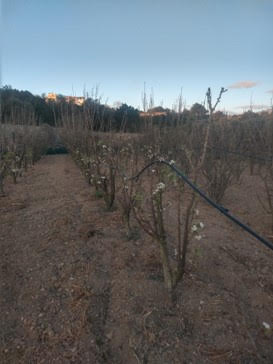
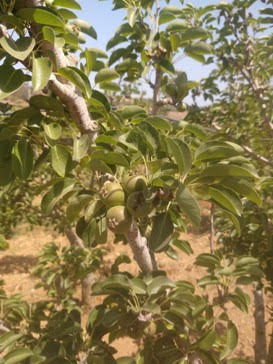
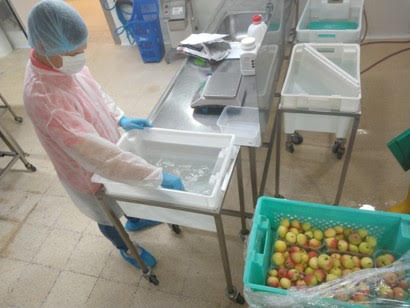
To address these issues, the project focused on a fruit which is quintessentially Maltese - Bambinella. These small, pear-shaped fruits, with their delicate flavour and distinctive aroma, hold great cultural and culinary significance on the island. To fully harness the potential of Bambinella and increase its market value, the implementation of post-harvest technologies is crucial. These technologies can enhance the fruit's quality, extend its shelf life, and add value through various processing methods. Bambinella, with its tender flesh and thin skin, is highly susceptible to physical damage and spoilage. Post-harvest technologies, such as improved handling practices, gentle sorting, and proper packaging, can significantly reduce bruising and other physical injuries. By minimizing such damage, the overall quality and appearance of Bambinella can be preserved, ensuring that consumers receive fruits of the highest standard.
It was proven that post-harvest technologies can contribute to the overall sustainability of Bambinella production. By reducing post-harvest losses through proper handling, packaging, and storage, the industry can minimize waste and maximize resource utilization. This aligns with global efforts to promote sustainable agriculture and food systems. Additionally, value-added processing of Bambinella can help generate additional revenue streams for farmers and processors, ensuring the economic viability of the fruit and supporting local livelihoods.
The project focused on researching established procedures linked to post harvest standard and design a research model based on possible technologies which could be applied to Bambinella. The first two years were dedicated to trials to test various methods which results were used to set a Standard Operating Procedure.
The implementation of SOPs is of utmost importance in the post-harvest phase of agricultural production. SOPs provide a structured framework for consistent, high-quality, and efficient post-harvest practices. They enhance consistency, maintain product quality, improve operational efficiency, manage risks, and facilitate training and knowledge transfer.
The final phase results of the project will focus on the finalisation of a market analysis to determine the feasibility of apply these technologies to the Maltese Market. Market analysis is indispensable in the fruit and vegetable industry. It enables industry stakeholders to understand consumer demand, identify market opportunities, evaluate competition, optimize pricing strategies, and explore international markets. By leveraging market insights, businesses can tailor their offerings, improve profitability, and adapt to evolving consumer preferences. Market analysis is a valuable tool for achieving success and growth in the dynamic and competitive fruit and vegetable industry